

The Misconception of Massage
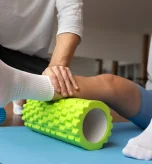
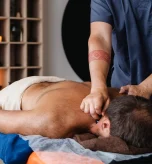
In the bustling streets of London, the word “massage” often conjures images of scented candles, soft music, and a temporary escape from reality. While there is certainly a place for luxury spa treatments, the clinical reality of Massage Therapy at CoreFlex Physio is vastly different. Here, massage is a vital physiological intervention, a tool used to manipulate the body’s soft tissues to improve function, accelerate healing, and manage the physical manifestations of a high-pressure lifestyle.
For the modern professional, Muscle Tension is not just a minor inconvenience; it is a structural barrier that limits performance, disrupts sleep, and can eventually lead to chronic injury. Understanding the difference between a “feel-good” rub and a clinical deep tissue treatment is the first step toward true physical optimization.
The Physiology of Deep Tissue Manipulation
To understand why clinical massage works, we must look beneath the skin. Our muscles are wrapped in a thin, strong web of connective tissue called fascia. In a healthy body, fascia is flexible and glides easily over muscles. However, due to repetitive strain, such as sitting at a laptop for ten hours a day, this fascia can become “bound” or “stuck.”
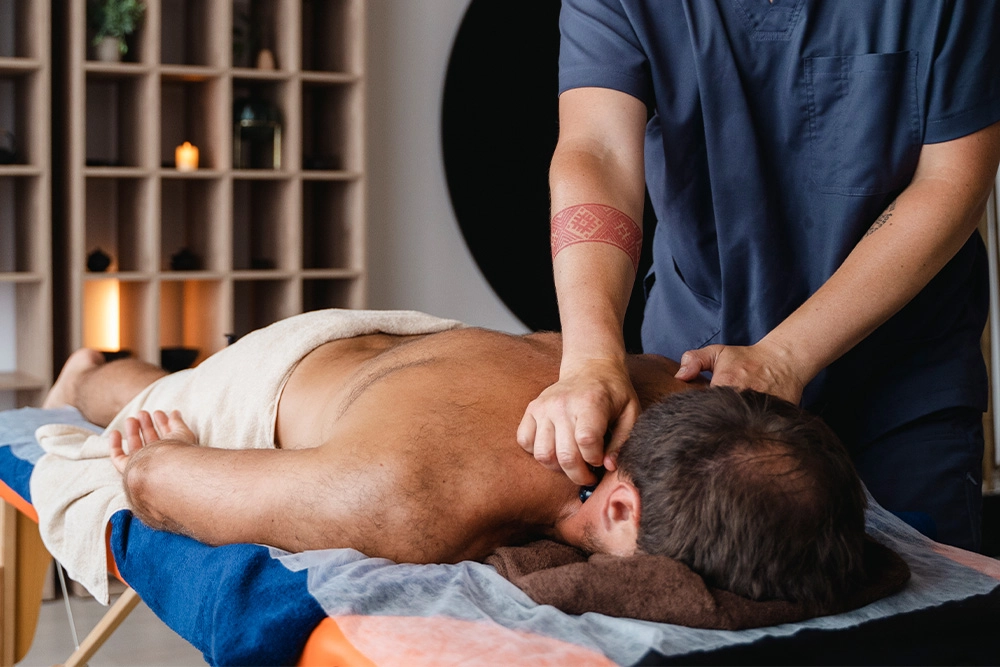
When you experience “knots” (known clinically as myofascial trigger points), you are feeling areas where muscle fibers have become stuck in a state of contraction. This restricts blood flow to the area, leading to a buildup of metabolic waste products like lactic acid. A specialist therapist uses deep, slow strokes and targeted pressure to reach the sub-layers of muscle. This mechanical force physically breaks the cross-linkages in the fascia, allowing the muscle to lengthen and blood to circulate freely again.
Stress Recovery: The Autonomic Connection
London is a city fueled by adrenaline and cortisol. The “hustle culture” keeps our bodies in a state of chronic sympathetic nervous system activation, the “fight or flight” mode. When you stay in this state too long, your body forgets how to relax. This is where massage becomes a powerful tool for Stress Recovery.
The skin is the body’s largest sensory organ. When a therapist applies skilled, rhythmic pressure, it sends a cascade of signals to the brain to activate the parasympathetic nervous system (the “rest and digest” mode). This trigger results in:
- Lowered Heart Rate: Immediate reduction in cardiovascular strain.
- Cortisol Reduction: Lowering the primary stress hormone that causes systemic inflammation.
- Dopamine and Serotonin Release: Boosting your mood and improving your mental resilience for the work week ahead.
By addressing the nervous system through the skin and muscles, we provide a “hard reset” that many Londoners find impossible to achieve through rest alone.
The “Office Shoulder” and Postural Rescue
The most common complaint we treat in our London clinic is “Office Shoulder”, a combination of tight pectorals (chest muscles), strained upper trapezius (neck muscles), and inhibited rhomboids (mid-back muscles). This postural distortion is a direct result of our digital environment.
Massage Therapy at CoreFlex focuses on releasing the “shortened” muscles of the chest and neck. When these muscles are chronically tight, they pull the skeleton out of alignment. No amount of “sitting up straight” will work if the muscles are physically too tight to allow the bones to move back into place. By combining massage with our physiotherapy protocols, we create a window of opportunity where the joints are free to move, making Muscle Tension a thing of the past.
Lymphatic Drainage and Metabolic Health
A frequently overlooked benefit of clinical massage is its impact on the lymphatic system. Unlike the circulatory system, which has the heart to pump blood, the lymphatic system relies on muscle movement and external pressure to move fluid.
In a sedentary office job, lymphatic fluid can become stagnant, leading to “heavy legs” or a general feeling of lethargy. Clinical massage techniques encourage the drainage of lymph towards the lymph nodes, helping the body filter out toxins and reducing swelling (edema). This is why many of our patients report feeling “lighter” and more energetic after a session; it is quite literally a spring cleaning for your internal fluids.
Sports Recovery vs. Clinical Maintenance
While we treat many athletes, you don’t need to be training for the London Marathon to benefit from regular massage. In fact, the “desk athlete” often has more restricted tissue than the runner.
For those who do exercise, massage is essential for preventing DOMS (Delayed Onset Muscle Soreness). By increasing local circulation after a workout, massage helps deliver the oxygen and amino acids needed to repair the micro-tears in muscle fibers caused by exercise. This reduces recovery time, allowing you to get back to the gym or the pitch sooner.
What to Expect During Your Session
At CoreFlex, a massage session begins with a consultation. We want to know about your sleep patterns, your work setup, and your exercise habits.
During the treatment, communication is key. Clinical massage is intense; it requires the therapist to work deeply into the tissue. We use a “pain scale” to ensure that while the pressure is firm enough to be effective, it never causes you to tense up in resistance. You may feel some soreness for 24–48 hours after a deep tissue session—this is a normal part of the tissue remodeling process, often described as the feeling of a good workout.
Integrating Massage into Your Long-Term Health Plan
We view Massage Therapy as a form of “preventative maintenance.” Just as you wouldn’t wait for your car’s engine to smoke before changing the oil, you shouldn’t wait for your neck to lock up before booking a massage.
A monthly or bi-monthly session allows a therapist to catch small areas of tension before they develop into full-blown injuries or tension headaches. This proactive approach to Muscle Tension ensures that your body remains an asset rather than a liability in your professional and personal life.
The CoreFlex Difference
What sets our massage service apart is our clinical environment. Our therapists work alongside our physiotherapists. If a massage therapist notices a structural issue or a red flag during your session, they can immediately consult with our clinical team to ensure you are getting the right care. This “joined-up” thinking is rare in London and ensures your Stress Recovery is backed by medical expertise.
Conclusion: Investing in Your Physical Capital
In a city as competitive as London, your body is your most important piece of equipment. Neglecting the physical buildup of stress and tension is a recipe for burnout and injury. Clinical Massage Therapy offers a sophisticated, evidence-based way to manage the demands of modern life.
By prioritizing Muscle Tension release and dedicated Stress Recovery, you aren’t just pampering yourself, you are ensuring that you can continue to perform at your peak, day after day. Whether you are recovering from a marathon or a marathon week at the office, CoreFlex is here to help you move, feel, and live better.